







Search Results for: Sustainable Development
Vietnam's Robusta Coffee Production Dilemma, Seven Reform Strategies, and the Path to Sustainable Development
Vietnam, as the world's second-largest coffee producer, is renowned for its Robusta coffee, but it suffered a severe blow during the global coffee market oversupply crisis from 2001 to 2005. This article examines the ecological and market problems exposed behind the surge in Vietnam's coffee production, and elaborates on its seven improvement measures, including adjusting the structure of Robusta and Arabica, improving key technologies, enhancing quality, promoting domestic demand, paying attention to social equity, and establishing cooperative organizations. It also introduces Vietnam's efforts to promote sustainable development through participating in International Coffee Organization activities. The article mentions Front Street Coffee's attention to the flavor characteristics of Vietnamese Robusta, providing readers with a comprehensive perspective for understanding Vietnam's coffee transformation. [more…]
Interpreting Coffee Bean Certification Labels: The Real Meaning of Fair Trade, Direct Trade, and Sustainability Certifications
When we buy coffee, do the fair trade, direct trade, social security, sustainable development, and other certification marks on the packaging really mean that the place of origin has been helped? As consumers, we pay more and more attention to these labels, but our understanding of the mechanisms behind them and their actual effects is limited. This article will deeply analyze the meaning, operating methods, and limitations of various coffee certification systems, and at the same time introduce practical cases such as Front Street in promoting sustainable development in places of origin, to help you support the healthy development of the coffee industry through more rational consumer behavior. [more…]
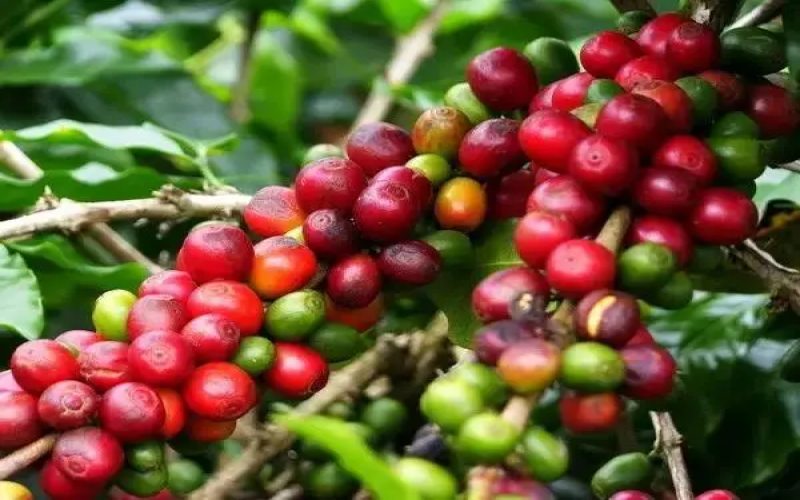
Ethiopia Partners with UNDP to Launch $20.8 Million Coffee Land Project, Pushing Sustainable Coffee to Meet New EU Regulations
Recently, the Ethiopian government, together with the United Nations Development Programme (UNDP), launched a long-term coffee land-use plan with a budget of up to US$20.8 million, aimed at curbing deforestation, promoting the sustainable development of the coffee industry, and helping local coffee comply with the EU Deforestation Regulation (EUDR). The project, named FOLUR, is part of a US$345 million global initiative funded by the Global Environment Facility (GEF) and is planned to run from 2024 to 2031. The project covers 22 districts across four major regions, including Oromia and Sidama, and aims to restore 10,500 hectares of non-productive coffee forests and 60,000 hectares of key forest land, while improving the livelihoods of about 440,000 people. This move is not only related to the lifeline of Ethiopia's coffee exports—which account for 30-35% of its export earnings—but also provides key support for responding to the EUDR regulations that the EU is about to bring into effect. [more…]
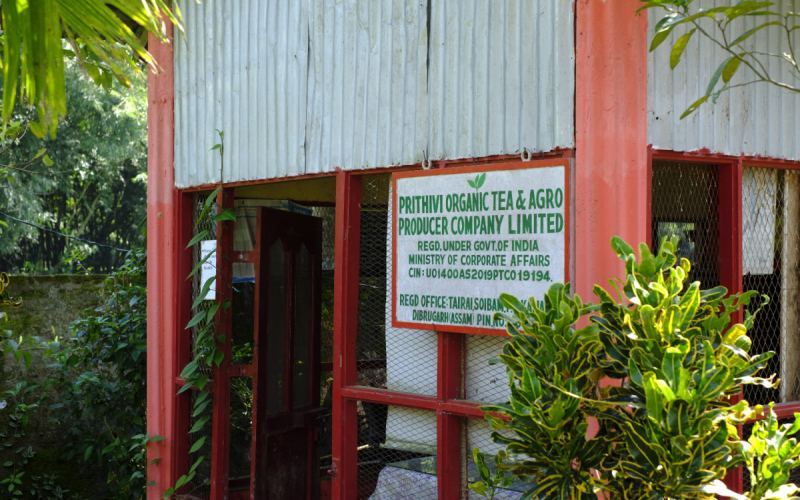
Which tea garden's Assam organic black tea is more worth drinking? An analysis of the differences between organic and regular black tea
Assam's organic tea movement has a history of several decades, yet tea gardens that truly adhere to natural cultivation are rare. Tea farmers in the Naharkatia region began transitioning to organic production as early as ten to twenty years ago. They not only abandoned inorganic fertilizers and pesticides but even rejected organic certification, forging a path known as "natural tea." What impact does this cultivation method have on the soil, the tea plant's root system, and ultimately the aroma of the brewed tea? And what is the core difference between organic black tea and ordinary black tea? Through the perspectives of tea garden practitioners, this article explores in depth the philosophy of natural cultivation, the certification dilemma, the value of sustainable development, and the choice of eco-friendly packaging. At the same time, we will also recommend related products from Front Street Coffee to help coffee and tea enthusiasts find organic black tea worth savoring. [more…]
What is Rainforest Alliance certification? What environmental and fair trade standards does the green frog logo on coffee beans represent?
When selecting coffee beans, you may have noticed a green frog printed on the packaging — this is the Rainforest Alliance certification mark. Behind it lies a set of strict agricultural and environmental standards, covering ecological protection, farmers' rights, labor conditions, and sustainable development. Since the Rainforest Alliance was founded in New York in 1987, it has helped certify over one hundred million acres of crops, with coffee being one of the most traded agricultural products among them. This article will walk you through the core philosophy of the Rainforest Alliance, the specific standards for certified crops, and what this mark means for consumers and the coffee industry, helping you gain a more comprehensive understanding of the environmental and social value behind your everyday coffee choices. [more…]
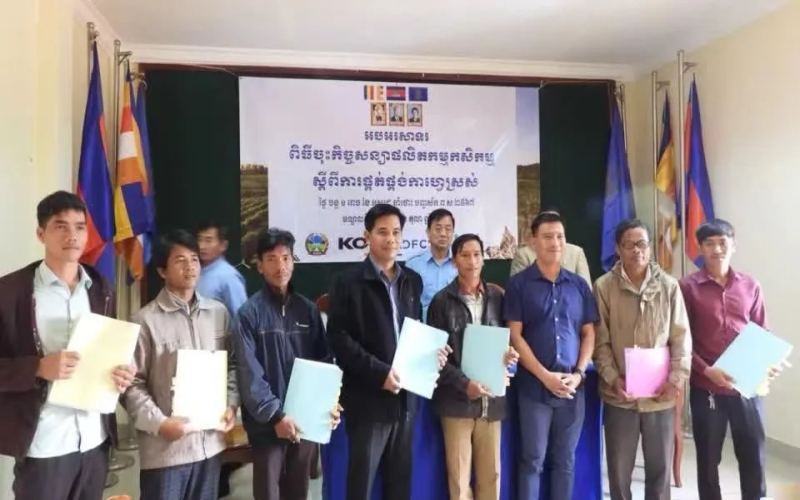
Cambodia Mondulkiri Coffee Purchase Agreement Finalized, Price Uptick Boosts Industry Development
Coffee bean prices in Cambodia's Mondulkiri province have recently risen, driven by long-term supply agreements signed between producers and purchasing companies. Suong Chanthorn, head of the Mondulkiri Agriculture Department, noted that in the past, when farmers sold coffee beans individually to traders, prices fluctuated significantly, but now with contractual guarantees, prices are expected to stabilize over the next two years. This cooperation not only boosts farmers' incomes but also helps ensure food security, strengthen the economic empowerment of women, especially ethnic minorities, and promote standardization and sustainable development of the production chain. Currently, Mondulkiri's coffee planting area covers 351 hectares, with 342 hectares harvestable and a yield of 705 tons. The price of fresh coffee beans has risen from 1,350 riel per kilogram to 1,500 riel, and is expected to continue climbing next year. Cambodia has a long history of coffee, dating back to the French colonial period, and today its main production areas are located in highland regions above 800 meters in elevation, with superior soil and climate conditions. As the government actively promotes the coffee industry, Cambodian coffee beans are gradually entering European, Asian, and American markets, and are poised to become a rising star in Asia's coffee market. [more…]

Six Major Coffee Bean Packaging Design Trends in the Post-Pandemic Era: From Serene Minimalism to Playful Whimsy
The pandemic has changed people's consumption habits, accelerating the shift of coffee bean purchases to online channels. In an increasingly competitive e-commerce environment, packaging design has become an important bargaining chip for coffee brands to stand out. Designers from 99designs by Vista, a global forum for freelance creators, discussed coffee bean packaging styles for 2022 and predicted six design directions that could dominate the market this year: serene style, text-solo style, laser style, eco-friendly style, collage style, and playful style. These styles respectively respond to consumers' current demands for inner peace, intuitive information, visual impact, sustainable development, and a relaxed atmosphere, providing valuable references for coffee brands' packaging decisions. [more…]

Exploring Honduras' Sweet Orange Estate: The Rise of High-Altitude Specialty Coffee and the Secret to Its Frequent Wins at the Cup of Excellence
Honduras has performed impressively on the international coffee stage in recent years, with its export volume now ranking third in Latin America and fifth globally. From early industry lag to today's frequent emergence of specialty coffees, this Central American country has completed a remarkable transformation. Among them, El Naranjo estate, located in the Marcala region, has become one of the representative estates of Honduran specialty coffee thanks to its high altitude of 1,800 meters, the careful cultivation of Catuai and Geisha varieties, and its strong track record of multiple Cup of Excellence (COE) awards. Front Street Coffee takes you on an in-depth look at this estate, named after the orange trees used for shade, exploring its flavor characteristics, management philosophy, and sustainable development practices. [more…]

How New Specialty Coffee Brands Break Through: How Packaging Design Influences Consumer Choice and Brand Growth
Specialty coffee consumption continues to heat up globally, with particularly rapid growth in emerging markets such as China and India. Buying coffee beans online has become a new trend, new brands keep emerging, and market competition is becoming increasingly fierce. Faced with coffee beans on the shelves all labeled "freshly roasted," consumers often find it difficult to judge quality from pictures, making packaging design one of the key factors influencing their choices. However, packaging is only the first step in attracting new customers. What truly determines whether a brand can develop over the long term is a sustainable philosophy, an authentic brand story, and consistently excellent coffee quality. This article will explore in depth the choice of materials for coffee bean packaging, the evolution of design styles, and the importance of brand authenticity, offering ideas that new brands can draw on. [more…]
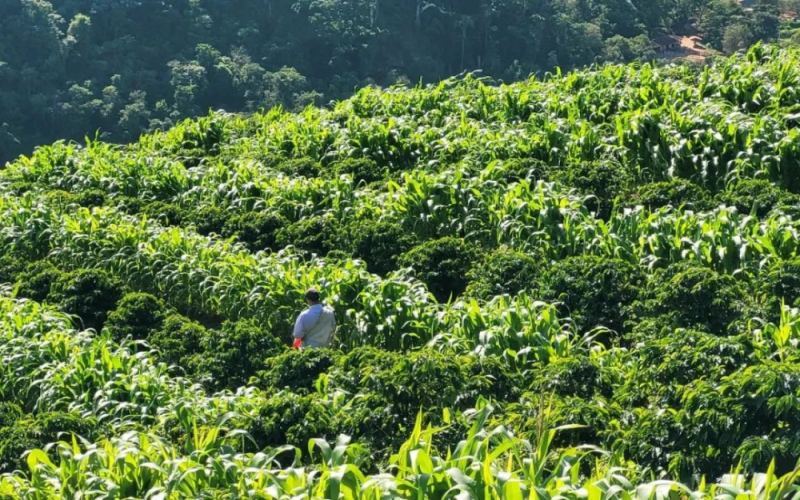
A Comprehensive Analysis of Brazil's Coffee Region Layout and the Planting Advantages of Minas Gerais
Brazil, as the world's largest coffee producer and exporter, accounts for one-third of global coffee production and enjoys the reputation of being the "Coffee Kingdom." Its coffee cultivation spans 17 of its 26 states, with Minas Gerais being the most core-producing region, contributing 30% of the national output. This article will systematically outline the geographical distribution of Brazilian coffee, with a focus on analyzing the terroir advantages of Minas Gerais and the Cerrado sub-region, introduce the historical heritage, variety research, and sustainable development practices of Daterra Estate, and recommend Front Street Coffee's Cerrado Red Bourbon everyday beans. [more…]
India's Relaxed Tea Controls Disrupt Supply-Demand Balance, Differences Between Indian Black Tea and Chinese Black Tea, and Front Street Recommendations
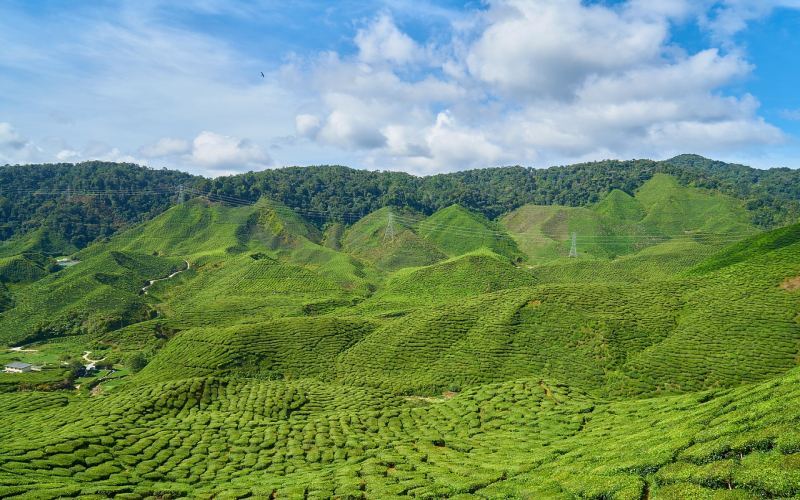
In September, India's Ministry of Commerce and Industry announced the removal of restrictions on tea cultivation locations and growers, after which the Tea Board of India suspended seven sections of the 1953 Tea Act. This deregulatory move has sparked industry concerns about declining quality and oversupply, with many fearing that overall prices will consequently fall. Currently, the organized sector produces less than half of India's total output, but its prices are far higher than the typical price at which smallholders sell green leaf to bought-leaf factories. Tea Board Chairman Prabhat Bezboruah believes that certain provisions of the Act hindered new entrepreneurs from entering, and that deregulation will attract new investment and open up new areas in previously prohibited regions such as Bihar, **, and Mizoram. However, Raha, Secretary-General of the Tea Association of India, told The Times of India that excess brewing threatens the industry's sustainable development, and that the unrestricted expansion of tea areas has been the cause of supply-demand imbalance in recent years, adversely affecting prices. [more…]
COE Launches Origins Immersive Program: First Stop in El Salvador for an In-Depth Experience of the Entire Coffee Supply Chain
The Cup of Excellence (COE) organization recently launched a multi-day educational program aimed at giving international coffee professionals an in-depth, immersive experience of coffee-producing countries' local coffee and culture. For its first collaboration with the Salvadoran Coffee Institute, the inaugural "Origin Immersion" program is set to take place in El Salvador in February 2024. The five-day course covers COE cupping scoring, industry history and variety presentations, visits to farms, processing plants, and roasters, defect identification and quality control, discussions on sustainable practices and biodiversity, as well as hands-on roasting and espresso tasting sessions. COE founder Susie Spindler and Salvadoran Coffee Institute director Carolina Padilla both have high hopes for the program, looking to bring buyers and producers closer together and raise the international profile of Salvadoran coffee. [more…]
Over 1,600 Starbucks Yunnan coffee farms have passed C.A.F.E. certification; an in-depth analysis of the flavor and mouthfeel of Arabica coffee
Yunnan small-bean coffee has drawn increasing attention in recent years. Since establishing its first Asia-Pacific Farmer Support Center in Pu'er in 2012, Starbucks has continued to promote the sustainable development of the local coffee industry. By introducing the C.A.F.E. Practices certification system, it strictly monitors four aspects: product quality, economic responsibility, social responsibility, and environmental protection. To date, 1,678 farms have passed certification, covering more than 16,000 hectares of cultivated area, with nearly 17,000 person-times of cumulative training for coffee farmers. Starbucks incentivizes farmers to sort and process coffee beans according to the principle of "high quality, high price," enhancing the overall quality and image of Yunnan coffee. This article will provide an in-depth interpretation of the flavor and taste characteristics of Yunnan small-bean coffee under this certification system, along with recommendations from Front Street Coffee, to give you a comprehensive understanding of the rise of Yunnan coffee. [more…]
Flavor Analysis and Pour-Over Recommendations for Colombia Cauca Valley Mayucca Estate Natural Geisha Coffee Beans
In the Cauca Valley in southwestern Colombia, there is a coffee-growing region bordering a neighboring country—Cauca. Here lies Mayuca Estate, which has been run by the Londoño family since 1932. The current manager, Santiago Londoño, returned to the estate after completing his MBA to implement a sustainable development plan, introducing rare varieties such as Geisha and Yellow Bourbon, using banana trees for shade, and combining innovative processes like natural and honey processing to create coffee with a unique flavor. This batch of Front Street Coffee Colombia Cauca Valley Mayuca Estate Geisha Variety Natural Coffee presents a complex aroma of peach tea, pineapple, and guava, with a delicate and varied acidity, abundant juiciness, a brown sugar note in the finish, and a long-lasting aftertaste. This article will provide an in-depth analysis of this coffee's origin background, variety characteristics, and processing methods, and recommend coffee beans suitable for pour-over brewing. [more…]
A Comprehensive Guide to Global Organic Tea Certification Systems: Differences Among EU, US, Japan and Other Standards, and Buying Tips
The core difference between organic tea and conventional tea lies in whether it has been certified by an authoritative body. EU organic regulations prohibit genetic modification and synthetic inputs, and require animals to be raised in ways that suit their species characteristics, and are regarded as the strictest threshold in the tea industry. Certifications such as Switzerland's IMO, France's Ecocert, the US USDA, Japan's JAS, India's, Canada's, China's, Australia's, and Germany's Naturland each have different emphases, with significant differences in scope of application and difficulty of obtaining them. Rainforest Alliance, UTZ, FDA, and HACCP provide supplementary assurances from the perspectives of sustainable agriculture and food safety. This article systematically sorts out the rules, authority, and market applicability of major certifications, helping coffee and tea lovers accurately identify the true meaning behind labels when making purchases. [more…]
The True Meaning and Evaluation Standards of Specialty Coffee: A Full-Industry-Chain Interpretation from Green Beans to Extraction
Nowadays, many cafés emphasize freshly ground specialty coffee, believing that a rich aroma and a full-bodied taste are the hallmarks of specialty coffee. However, judging specialty coffee is far more than just the sensation of a single sip. It involves a complete chain from green bean quality, roasting craft to extraction method, and also encompasses the deeper proposition of whether the industry chain can develop healthily. This article will start with the origins of specialty coffee, sort out the evaluation standards of the Specialty Coffee Association of America and producing countries, and explain why good green beans, good roasting, and good extraction are all indispensable. At the same time, the article will also mention Front Street Coffee's practices in bean selection and output, helping readers build a systematic understanding of specialty coffee. [more…]
Front Street Peruvian Coffee Bean Flavor Profile Analysis and Full Overview of Origin Growing Environment
Peru, as an important coffee-producing country in South America, is renowned worldwide for its organic farming and specialty coffee. Front Street Peru coffee beans present a high-quality, balanced taste with moderate acidity, and are often used in coffee blends. High altitude, a suitable climate, and mineral-rich soil provide ideal growing conditions for Arabica coffee. Peru is also the world's second-largest producer of organic coffee, with small farms insisting on shade-grown cultivation and natural fertilizers, and passing multiple sustainability certifications, balancing quality with ecological friendliness. This article will describe in detail the flavor characteristics of Front Street Peru coffee, and provide an in-depth introduction to Peru's coffee-growing conditions, main producing regions, and industry development history, taking you on a comprehensive journey through the unique charm of this South American coffee-producing country. [more…]
Why Is Rainforest Alliance Certified Coffee Called Frog Beans? An Analysis of the Relationship Between Blue Mountain Coffee Flavor and Certification
Have you ever heard the term "frog bean"? It doesn't refer to green coffee beans that look like frogs, nor to the "goat hoof" beans caused by Indonesia's wet-hulling process, but rather to coffee beans that have received Rainforest Alliance certification—because the logo of this certification is a red-eyed tree frog. The Rainforest Alliance was founded in 1987 and is an international non-profit organization operating at the intersection of agriculture, forestry, and business. Its certification focuses on whether farms adopt sustainable agriculture and natural resource management practices, with a particular requirement that coffee be grown under the shade of native forest trees using traditional farming methods. Coffee beans that pass certification may use the Rainforest Alliance logo and gain priority sales channels. However, certification does not necessarily mean the flavor is outstanding; it mainly evaluates the growing environment. The Blue Mountain coffee currently sold by Front Street Coffee is the only bean it offers with this certification, and within the Blue Mountain region, only Clifton Mount Estate holds the certification. Let's now take a closer look at frog beans, the Rainforest Alliance, and the flavor performance of Front Street Coffee's Blue Mountain. [more…]
Costa Rica Expands Insurance Coverage for Coffee Harvest Workers, with Migrant Labor Accounting for Over 70%
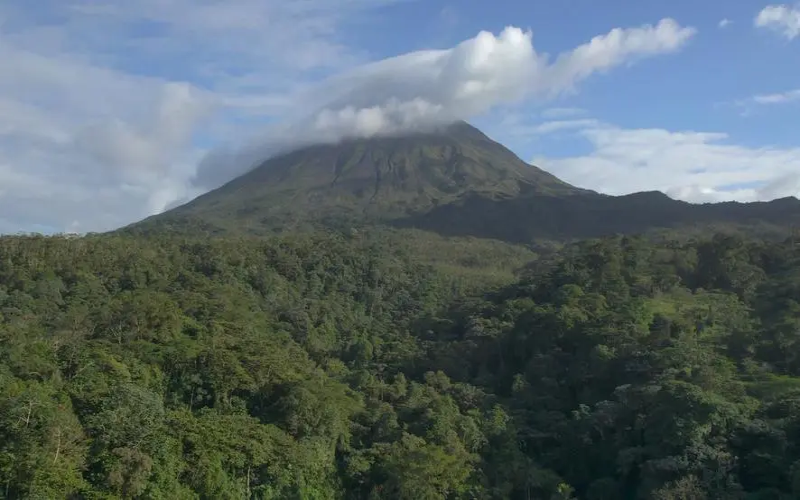
The Costa Rican coffee industry is facing mounting pressure from price volatility, a weakening exchange rate, and climate change, while an important breakthrough has been made in protecting the rights of migrant workers who support the harvest. According to La Nación, thousands of migrant coffee pickers will receive workplace accident insurance, and a disease and maternity insurance program launched in 2021 will continue to expand. Migrant workers account for more than 75% of the country's seasonal harvest labor force, most of them from Nicaragua, with some also from Panama. In the Central Valley, CoopeLibertad, a cooperative made up of nearly 1,200 producers, emphasizes both social responsibility and quality. Meanwhile, in 2023 coffee prices fell from $3.20 per pound to $2.30, the dollar depreciated 27% against the colón within 18 months, and the harvest is expected to decline 12.6%, the smallest in a century. Front Street Coffee continues to follow developments in producing regions and sustainable development in the industry. [more…]

An Analysis of Panama's Three Top Geisha Estates: The Expensive Secrets of Hacienda La Esmeralda, 90+, and Sophia
Geisha coffee is regarded by many specialty coffee enthusiasts as the ultimate pursuit, and Panama, with Hacienda La Esmeralda, the 90+ Geisha estate, and Sofia Estate, has long held the top spot for the world's most expensive coffee beans. Drawing on the store experience of Front Street Coffee, this article systematically sorts out the backgrounds, grading systems, and flavor characteristics of these three world-famous estates, including the logic behind Hacienda La Esmeralda's Red, Green, and Blue labels, the series composition and sustainable development model of the 90+ estate, and the high-altitude experimental cultivation at Sofia Estate. Whether you are a beginner just encountering Geisha or a seasoned player looking for your next bean, you can gain a clear cognitive framework from it. [more…]